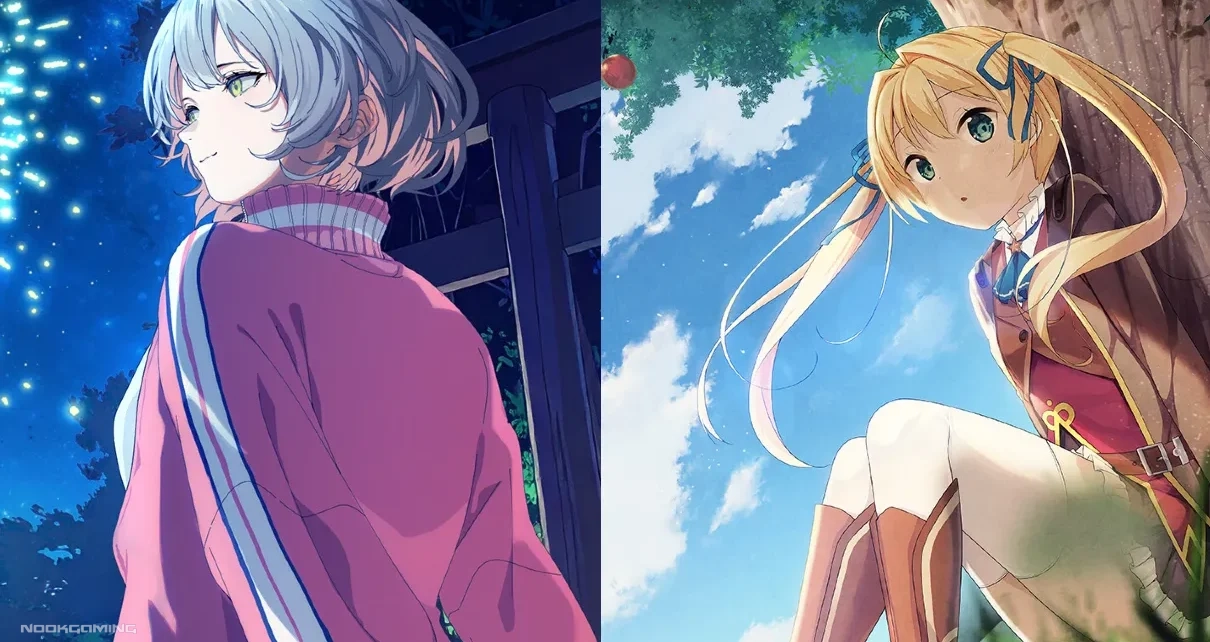
Visual novel developer Laplacian recently announced the retranslation of Harmonic Reflections (Kioku no Kenban) following strong negative feedback regarding the initial translation by DMM Game Translate, which utilizes AI machine translation (MTL) with human supervision. At the time of writing, the majority of the Steam reviews regarding the English version are negative, with most citing this as the reason. This is a departure from their other titles which include well regarded titles such as Newton and the Apple Tree and Cyanotype Daydream -The Girl Who Dreamed the World-.
As well as the issues around machine translation, some fans are unhappy with the English version of Cyanotype Daydream, which contains new and altered content, but removes adult content and makes changes to a scenario that could be seen as problematic.
Laplacian has publicly stated that they have no plans at this point to use machine translation ever again, but they’re aware that they’ve lost the trust of some fans due to this and other issues.
As part of their efforts to reach out to international fans, Ono Wasabi, the CEO of Laplacian has kindly agreed to an interview with us here at NookGaming regarding these issues and some of their previous public statements.
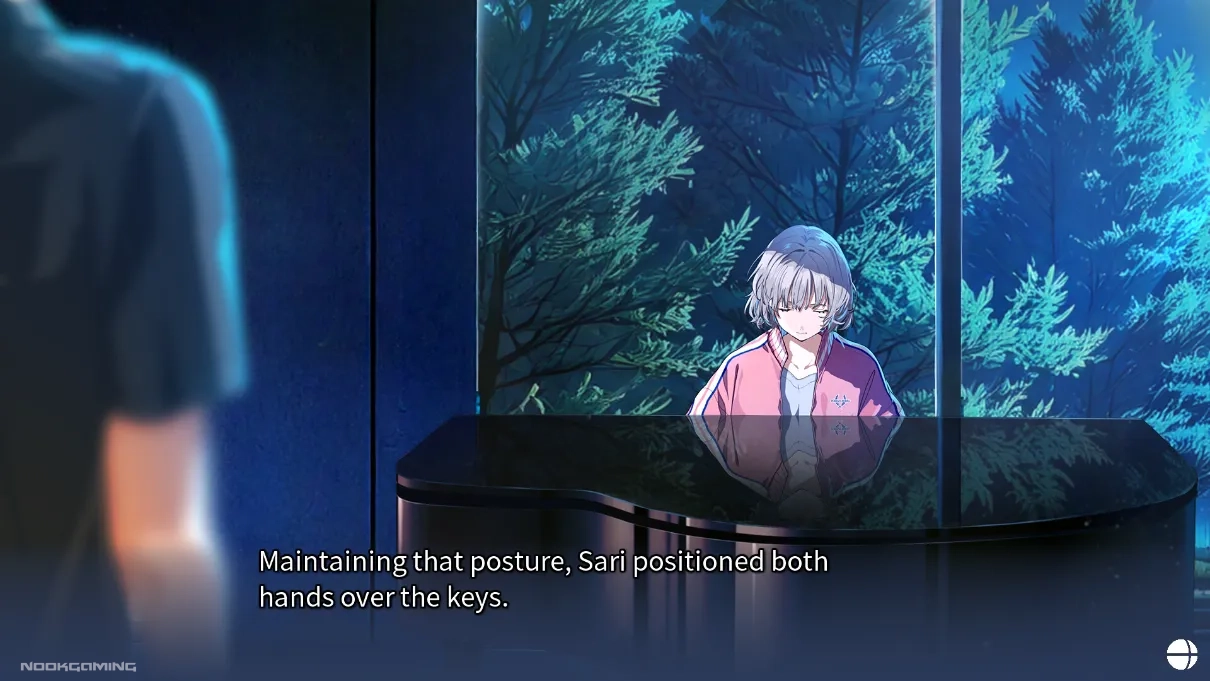
Given the strong negative feedback for the English version of Harmonic Reflections, what are your plans to turn this around after you release the retranslation?
We will be re-releasing a properly translated English version of Harmonic Reflections and will then carefully observe player feedback and retention. To better understand the English-speaking player base, we have appointed our translator, Robert, as PR & Community Strategy Advisor and Overseas Liaison. He has been gathering feedback through Reddit and engaging directly with the community, and he is being compensated for these additional responsibilities. We are also reaching out to content creators to ensure the updated release receives coverage.
We would also like to formally apologize for the lack of quality control that led to the machine-translated version being published. To all overseas users who purchased our work in hopes of enjoying a Laplacian story, we sincerely apologize for disrupting that experience.
At present, Robert is leading the retranslation of Harmonic Reflections under a thorough pipeline that includes an editor, a Japanese-to-English accuracy proofreader, and a dedicated English proofreader.
You’ve noted that the freelance translator (Robert Roy Dela Serna) reached out to you regarding the translation after the controversial MTL release. As you’ve worked with overseas staff before who have worked on a freelance basis, was reaching out to freelancers directly considered before contacting an agency?
We attempted to make arrangements through the translation provider we had previously worked with, but it did not come to fruition. We also reached out to individual freelancers, but without the necessary connections or time to properly evaluate candidates, we were unable to finalize an arrangement at the time.
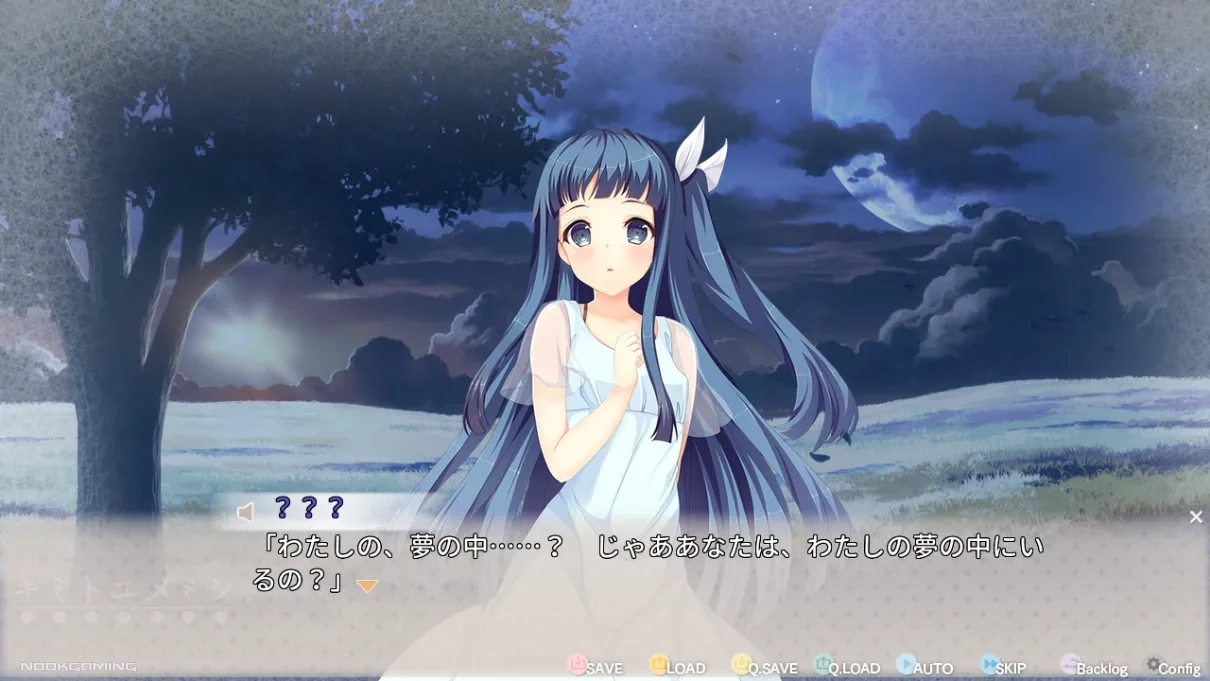
You’ve recently recruited a translator, editor, and two proofreaders to work on the retranslation of Harmonic Reflections. Could you tell us a little more about them and their experience?
Translator: Robert Roy Dela Serna is leading the retranslation. In addition to Japanese-to-English translation, he is our PR & Community Strategy Advisor and Overseas Liaison for this project. Credits include anime subtitling for Muse Asia and visual novel localization for MangaGamer. For more about Robert’s works, see his portfolio here.
Editor: A recent graduate. While this is their first credited title, they have prior experience on uncredited assignments.
Proofreader (Japanese-to-English accuracy): A multilingual colleague Robert has partnered with on anime subtitling work for Muse Asia, responsible for accuracy checks against the original text.
Proofreader (English accuracy): A newcomer whose scope is limited to English spelling, grammar, and internal consistency.
All four will be credited, but we have yet to confirm whether they prefer their real names or aliases to be listed.
It seems like the budget was a major reason for choosing to use the agency utilizing MTL. Could you comment on how much English versions contribute to funding when it comes to releasing visual novels, and how this affects their importance?
Yes, budget was a major factor in our decision to use an agency that relied on machine translation. Cyanotype Daydream showed us that the English market can recoup localization costs and turn a profit when quality is high. The issue at the time was upfront cash flow and schedule constraints, so we chose a low-upfront-cost route. Unfortunately, it did not meet our standards, so Harmonic Reflections is being redone with a human translation.
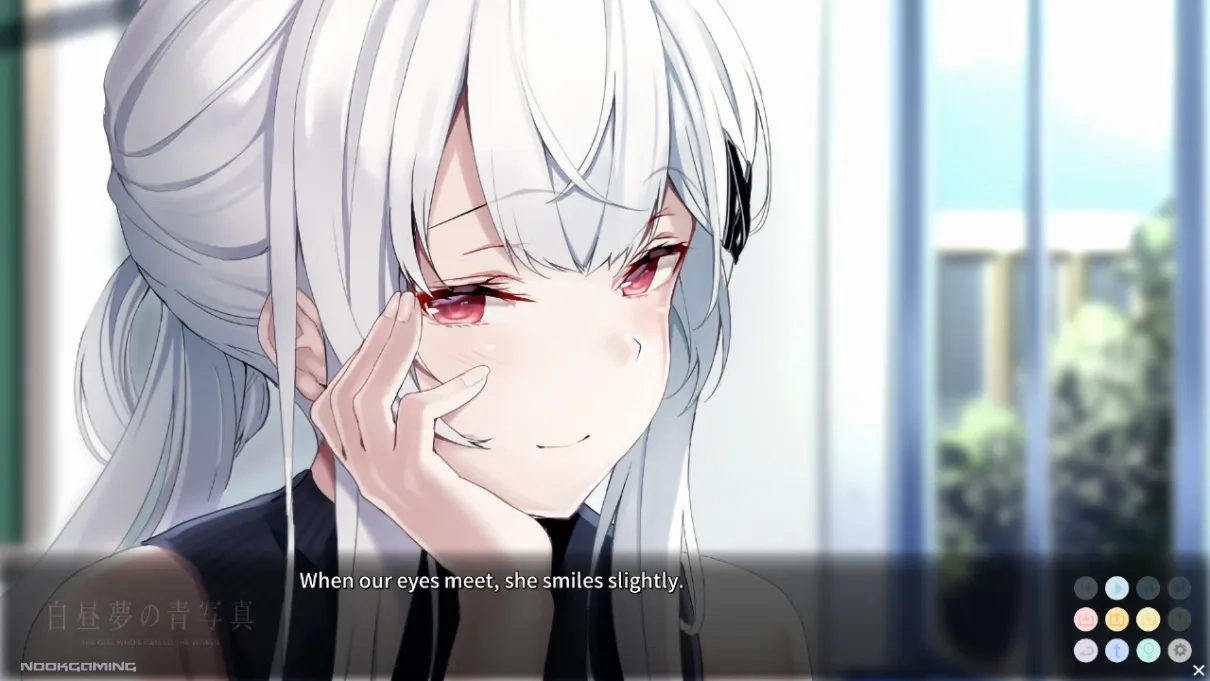
You’ve committed to either working with reliable translators or refraining from an English release altogether. If a translation seems like it may not be financially viable, would you consider options like crowdfunding?
We are not considering crowdfunding at this time. Effective crowdfunding requires dedicated marketing, campaign management, and fulfillment expertise, and we currently do not have the resources for that. If an English release is not financially viable, we would likely limit the release to Japanese, Simplified Chinese, and Traditional Chinese.
Laplacian has worked with a number of English-language publishers, including Sol Press, NekoNyan, and JAST, before pivoting to self-publishing. Could you let us know some of the reasons behind the move to self-publishing and any challenges that you’ve faced as a result?
Publishers offer a clear advantage: zero upfront cost to release overseas, plus established store presence, marketing reach, and operational support. In return, they take a substantial revenue share, which reflects the risk and resources they provide, and in some arrangements retain significant control over storefront settings, pricing, and release handling. We are a small studio, and at the time that tradeoff was difficult to sustain.
We wanted more control over our releases, so we pivoted to self-publishing. This means higher upfront costs and building our own marketing, community, and store operations, but it gives us direct access to our Steam page and the ability to manage pricing, sale windows, and patch timing ourselves. For Cyanotype Daydream, we initially explored a publisher partnership, but we could not reach mutually acceptable terms, so we proceeded with self-publishing.
However, some past titles are still handled by a publisher because we were able to agree on terms that worked for both sides. For now, we will continue to self-publish, though this may change in the future.
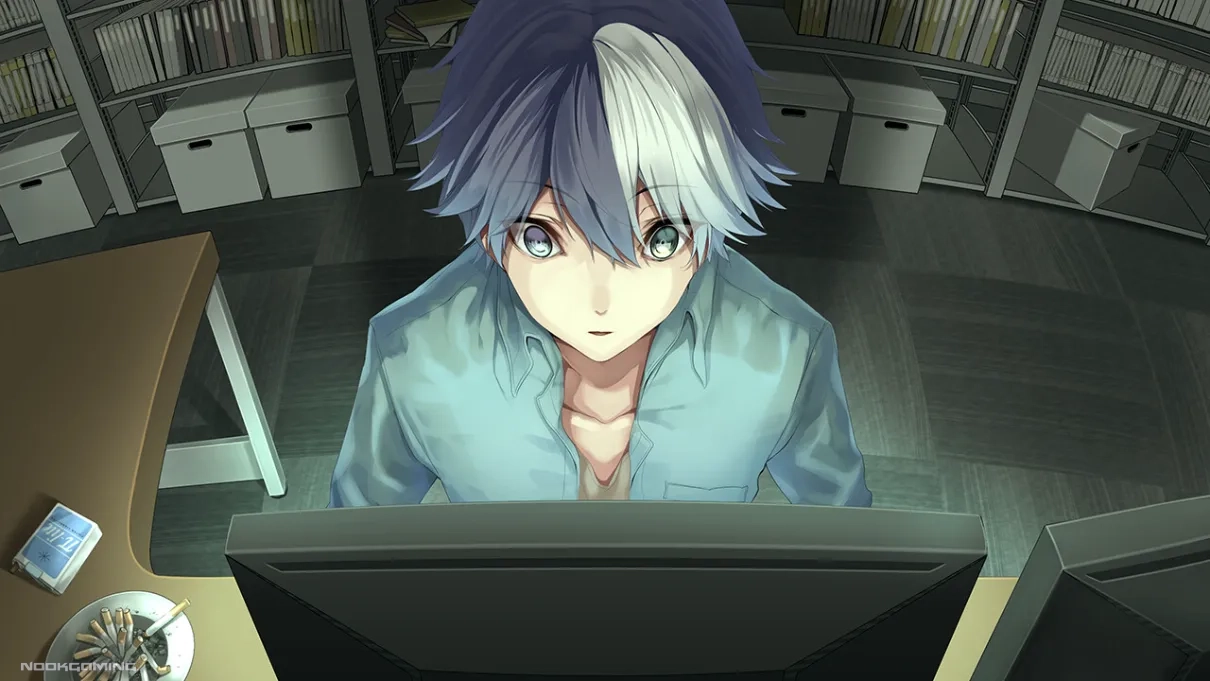
The translator mentioned that he would be handling the translation for the next two games (Monochrome Serenade / Kugayama Shiori no Shinizama Techou), which are planned to launch in Japan in 2026. Are the English versions also expected to launch in the same year? Any hints on when we’ll find out anything further about these upcoming visual novels?
An English release is planned. Our goal is a simultaneous launch with the Japanese version, but since development is ongoing we cannot promise a same-day release yet. Timelines can shift, and we do not have an estimated release date to share at this time.
You’ve emphasized making works that you believe in. How does Laplacian intend to balance this strong focus on artistic integrity and creative freedom with factors such as community feedback (both overseas and domestically) and financial considerations, such as certain genres tending to sell more?
At the planning stage, we always look for an overlap between what we want to create and what players are likely looking for. Since both sides are fluid, we believe we can find projects that people want and that we ourselves want to make.
You’ve stated that you are no longer developing adult content, regardless of release region. Have you found any challenges in this pivot to all-age content domestically in Japan? Have you found much difference in terms of the sales of 18+ and all ages work?
Our track record with all-ages releases only began with the global version of Cyanotype Daydream, so brand recognition is still growing. Naturally, revenue is easier to secure in the 18+ market where we have more history. That said, when we think about Laplacian 10 to 20 years from now, we believe the work we should be making, and want to make, is all-ages. Because of our long-term vision, we have decided to step away from 18+ titles.
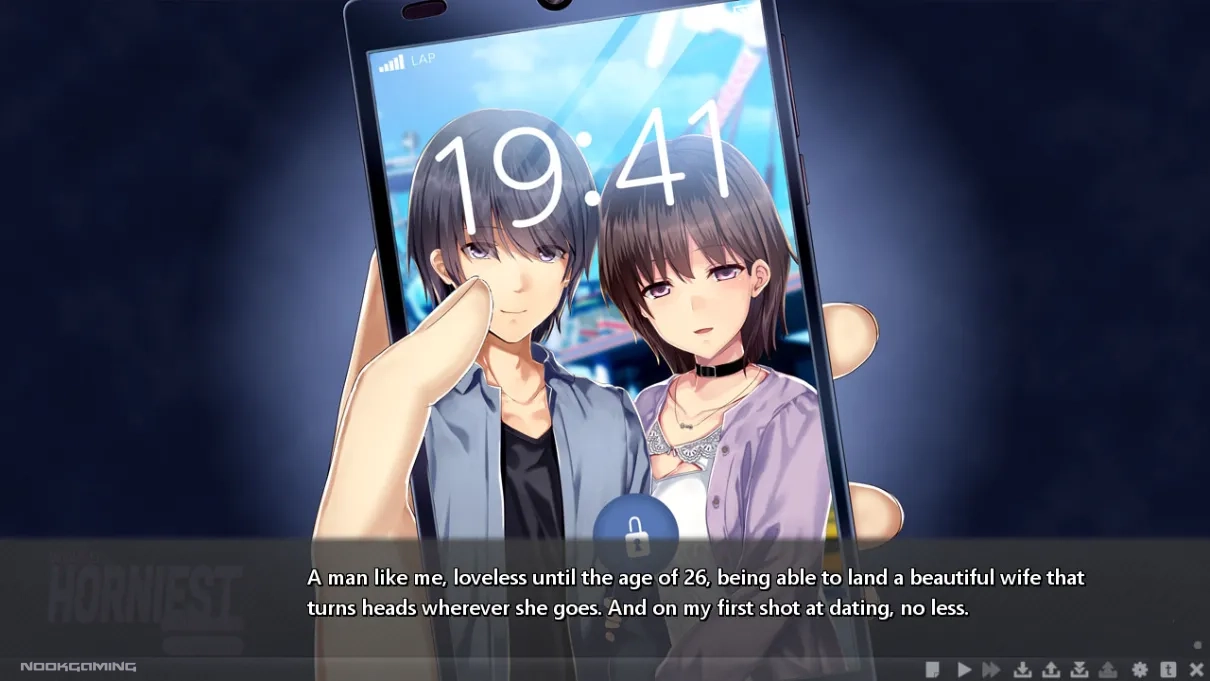
You’ve mentioned that Laplacian cannot produce new adult works or display their past adult titles, as you cannot borrow money for an all-ages title if your company also handles adult works. Are there any examples of other Japanese companies that successfully navigate these constraints (for example, through separate legal entities), and if so, what makes Laplacian’s situation uniquely challenging?
We cannot speak for other companies, but in general, one practical way to separate all-ages and 18+ operations is to place them under different corporate entities. Other options include working with a publisher or running a crowdfunding campaign, but as noted above, neither is a viable option for us right now.
In our case, we operate two companies. Beginning with the global release of Cyanotype Daydream, the Laplacian brand moved to a separate company, while our legacy 18+ titles are managed by our 18+ brand, Principia. Because of this separation, the current Laplacian site does not list those legacy works. A standalone site for the affiliated company has not been published yet due to limited resources.
These issues are not unique to Laplacian. We believe many studios of our size face similar structural constraints.
On the topic of difficulties handling adult titles, would this mean that future English releases of adult-focused works from your Principia brand (Jinrui Saikyou Seiyoku no Yome Vol. 1–3) won’t be possible? Or might there be some way of this happening in the future?
Not exactly. Principia handles adult titles, so English releases are possible in principle. Future plans depend on demand, resources, and whether or not we can comply with the related regulations. For Jinrui Saikyou Seiyoku no Yome, Vol. 1’s sales did not meet our threshold, so later volumes were not greenlit. We review Principia projects case by case and announce only when plans are firm.
Regarding the Principia brand, you’ve mentioned using this to archive past 18+ titles, but not having the manpower at this time. Is there a plan in place to achieve this in the future? If so, when can the community expect to see progress on Principia?
It’s possible, but we cannot promise a timeline. We will share updates once we have a concrete plan and staffing in place.
You’ve also noted that you will bring overseas versions as close as possible to the Japanese originals. Considering that recent and future Laplacian titles will be all ages, what specific elements or types of content other than H-scenes might differ between Japanese and overseas versions? Could you share the considerations that might go into these decisions?
Yes. Other elements may require adjustment beyond H-scenes, especially in console releases. For example, for the Nintendo Switch version of Harmonic Reflections, certain territories required that specific CGs not be included. In those cases, releasing in that market requires either editing or omitting the affected assets.
When we say we aim to keep differences minimal, we mean we look for solutions that preserve the story, characters, and progression, even if visual presentation must be adjusted. Specific requirements vary by platform and territory review, so we cannot discuss the specifics regarding the content or decisions in advance. We recognize that changes can affect the experience, so our policy is to make the smallest necessary adjustments while complying with platform and legal guidelines.
Regarding Newton and the Apple Tree, you’ve noted that there are no current plans to re-release it due to a lack of game data and Sol Press disappearing without clarifying the related rights. NekoNyan has managed to ‘rescue’ some titles in similar situations. Has it been looked into whether a similar path would be possible? Particularly given that we’re aware that the former CEO of Sol Press has been in contact with certain industry colleagues and partners at points.
Regarding Sol Press, this is the first we have heard that the former CEO was in contact with partners. In our case, multiple inquiries went unanswered. If we could get in touch with them, we would have appreciated an explanation.
As for Newton and the Apple Tree, the situation is more complex. To our knowledge, hand-signed boards and manufactured goods intended as crowdfunding rewards for overseas backers are still stored somewhere in Japan. If we were to re-release the title, our ideal would be to first trace the crowdfunding records and fulfill all outstanding rewards, and only then resume sales. Given those requirements, committing to a “rescue” is a difficult decision at this time.
Outside of the questions asked, is there anything you’d like to say to the overseas visual novel community?
We are grateful for the overseas fans who support Japanese visual novels. While many recent questions have centered on our brand direction, our priority is to create works that both we and our fans can enjoy. Moving forward, we aim to ensure our releases are received for their actual quality through faithful localization.
Thank you to Ono Wasabi for talking with us on behalf of Laplacian and Robert Roy Dela Serna for arranging this interview and translating. Please check out their titles such as World’s Horniest Housewife – Rikky Horne, The Future Radio and the Artificial Pigeons, and Cyanotype Daydream -The Girl Who Dreamed the World-.
Want to check out more visual novels? Why not check out our review of Yomegami: My Sweet Goddess or Clover Day’s Plus? We have also covered a wide variety of visual novels both original to English and localized from Japanese, which you can check out here.

A gamer since the days of Amstrad and DOS and someone who has dabbled in a variety of professions. He enjoys a wide variety of genres, but has been focusing on visual novels and virtual reality in recent years. Head Editor of NookGaming. Follow him and the website on @NookSite.